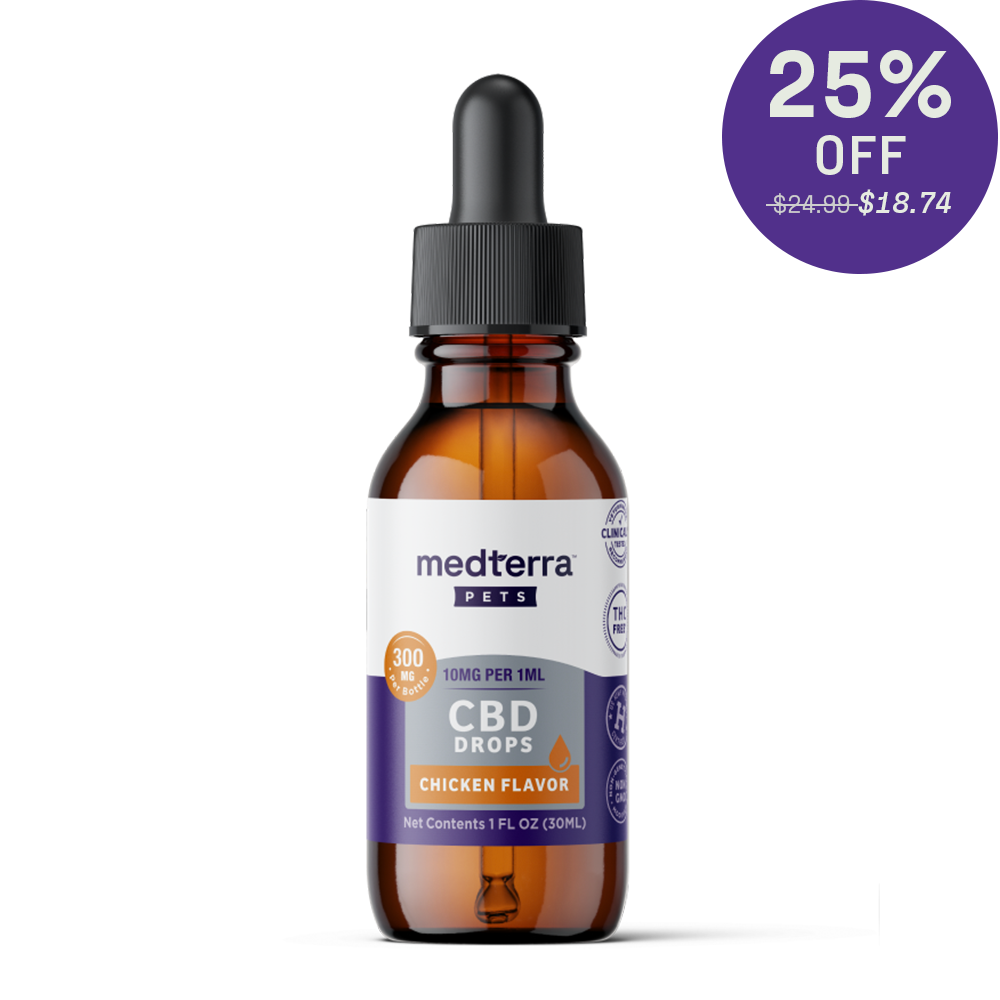
CBD oil is everywhere - tinctures, softgels, gummies, topicals. But most people who buy it have no idea how it got from a field in Kentucky to the dropper in their hand. So, how is CBD oil made?
We’re going to break it down, because the manufacturing process tells you more about quality than any label claim ever will. It also explains why two bottles at the same milligram count can feel completely different. Learn all about CBD oil for sale below!
What is CBD?
CBD (cannabidiol) is one of over 100 cannabinoids found in the Cannabis sativa plant. Second most abundant behind THC, but it doesn't get you high - no matter how much you use.
Almost all CBD on the market comes from industrial hemp, which has less than 0.3% THC. That’s how you’re able to legally purchase CBD online and get it shipped to your door, no matter where you live.
Potential Benefits
Sleep is probably the most common reason people come to CBD. Something about their nighttime routine stopped working, or never worked in the first place. Stress and everyday tension rank close behind. Physical discomfort (especially the chronic, low-grade kind) is another big one.
Post-exercise recovery, mood support, a general sense of balance when everything feels slightly off - CBD is super versatile, and the way it works all traces back to the endocannabinoid system (ECS).
The ECS is a network of receptors (CB1 and CB2, to be exact) that CBD interacts with indirectly. It’s responsible for regulating pain, mood, sleep, immune response, and inflammation throughout the body.
Comparison to THC
CBD and THC come from the same plants (both hemp and marijuana), but work very differently in the body. THC binds directly to CB1 receptors in the brain, which is why it gets you high, alters your sense of perception, and can sometimes feel a little overwhelming at higher doses.
CBD doesn't lock onto CB1 the same way. It indirectly modulates the ECS, so you can take 50mg of CBD and drive to work without a second thought. But honestly, we don’t want you to leave here thinking CBD and THC are mutually exclusive. A lot of formulas combine them, and this is where the entourage effect comes into play - where cannabinoids all work in synergy to amplify each other.
But for the sake of simplicity, know that CBD is non-intoxicating and totally legal across the US. THC is a bit trickier. That being said, how is CBD oil made?
How is CBD Oil Made?
We’ll break it down into four stages:
-
Sourcing
-
Extraction
-
Post-processing
-
Formulation
Each step affects quality, and cutting corners at any stage shows up in the finished product, be it in the form of contamination, weak potency, or a lab report that doesn't match the label.
CBD Extraction From Hemp vs Marijuana
Hemp and marijuana are both types of cannabis, but they're bred for different jobs.
-
Hemp is grown for high CBD with trace THC under 0.3%.
-
Marijuana is grown for high THC.
Nearly all CBD oil in the U.S. comes from hemp - that's the only way to stay Farm Bill compliant and ship across state lines without running into federal issues.
Where the hemp is grown matters more than most brands want to admit. Soil quality, pesticide use, and growing conditions all carry through to the extract. Hemp actively pulls whatever is in the surrounding soil into the plant tissue. That means heavy metals, pesticides, and industrial runoff can end up in the plant.
In other words, good soil = clean CBD. Contaminated fields = contaminated oil. No extraction method fixes poor-quality hemp extract. We source non-GMO hemp from American farms in Kentucky, grown under state agricultural programs with strict oversight on cultivation practices.
Types of Extraction Methods Used
We use CO2 Supercritical Extraction at Medterra. Pressurized carbon dioxide gets pushed into a chamber with hemp biomass. CO2 enters a supercritical state at specific temperature and pressure thresholds. That just means it acts like a liquid and a gas at the same time.
This process strips cannabinoids, terpenes, and other target compounds out of the plant material. Drop the pressure, and the CO2 reverts to gas and evaporates completely. There’s nothing left in the extract except what came from the hemp.
The equipment is expensive. The process is slower than alternatives. But the extract comes out cleaner, more precise, and better preserved than anything solvent-based can deliver. It’s a sacrifice we make for the end result.
CO2 extraction is the answer you'll hear most often when asking, how is CBD oil made at the highest quality level? But it’s not the only method used in this industry, unfortunately. A lot of brands cut corners at your expense.
Ethanol extraction dissolves cannabinoids with food-grade alcohol. It’s effective and easy to scale, but ethanol isn't selective. It grabs chlorophyll, plant waxes, and lipids alongside the cannabinoids. More post-processing is required to clean the extract up, and some beneficial compounds get lost in that cleanup.
Hydrocarbon extraction uses butane or propane and shows up more often in THC concentrate production. Efficient, sure - but there’s a real risk of residual solvent contamination without thorough purging. Not widely used by reputable CBD brands for that reason.
Lab-testing is an essential piece of the puzzle, regardless of how the oil is extracted. But before we get into all that, let’s look at the different forms of CBD oil.
Different Forms of CBD Oil (Isolate, Broad-Spectrum, and Full-Spectrum)
The crude extract from the hemp contains everything - CBD, trace THC, minor cannabinoids, terpenes, waxes, and chlorophyll. So, how is CBD oil made? It splits into three distinct paths post-extraction. This is where brands get to decide what stays and what goes.
How CBD Isolate is Made
Isolate is CBD stripped to its purest form - 99%+ cannabidiol, nothing else alongside it. The oil goes through winterization after extraction, where it’s cooled to separate out fats/waxes. Then it’s distilled to concentrate the CBD fraction before finally a crystallization step drops all remaining compounds.
What's left is a white crystalline powder. No THC, minor cannabinoids, or terpenes. Cleanest option available and the safest for anyone who gets drug tested. The trade-off is losing the entourage effect - the synergy between compounds that full-spectrum preserves.
Browse our CBD isolate for sale collection to see how pure CBD is formulated into finished products.
How Broad-Spectrum CBD is Made
Same starting steps here - extract, winterize, distill. But instead of pushing to crystallization, the process takes a detour through chromatography - specifically targeting THC.
Minor cannabinoids like CBG and CBN stay in the oil. Terpenes stay. Only the THC gets pulled. It's a more technically demanding process than making isolate, which is part of why it runs at a higher price point.
However, it’s the form for people who want the supporting cannabinoid cast without any THC exposure. Our broad-spectrum CBD products preserve that natural complexity minus the one compound you might avoid if you’re prone to drug-testing or just don’t want any intoxication.
How Full-Spectrum CBD is Made
Full-spectrum CBD oil involves the least processing of the three. CO2 extraction, winterization, and distillation to refine potency - but no cannabinoids get selectively removed. Everything the plant produces stays in the oil. CBD, trace THC under 0.3%, CBG, CBN, terpenes, flavonoids.
This is the entourage effect in practice, as all the plant's compounds work together instead of solo. A growing body of evidence shows the sum outperforms any single part. Our full-spectrum CBD line spans gummies, tinctures, and capsules for people who want the whole plant's output.
Our comparisons of CBD isolate vs broad-spectrum and full-spectrum vs broad-spectrum CBD lay out all the differences you need to know about each form if you want to learn more.
Product Formulation and Lab Testing
Raw extract (any spectrum type) isn't ready to sell. It needs a carrier, which is typically MCT oil (fractionated coconut oil) for tinctures. It absorbs well, stays stable, and has a neutral taste.
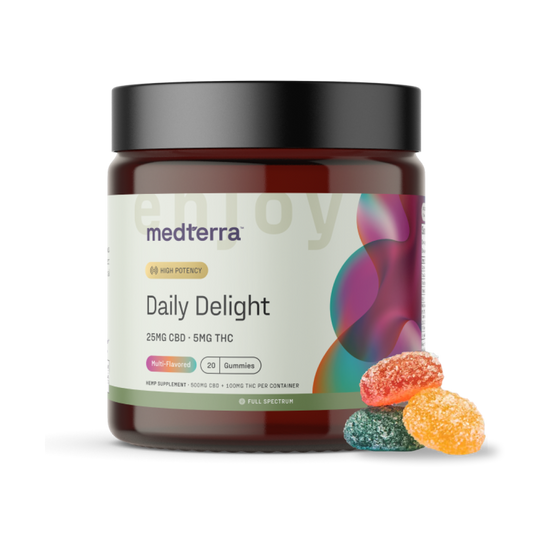
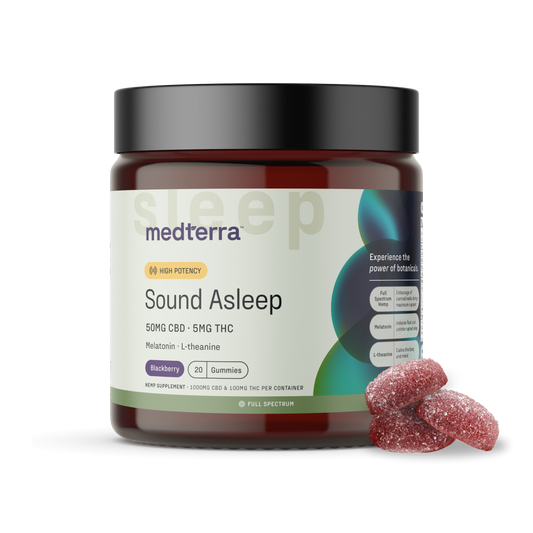
Gummies get formulated with pectin, natural flavors, sweeteners, and other functional CBD ingredients like melatonin, L-theanine, saffron, or ashwagandha - the exact formula all depends on what the product is designed to do.
Testing happens at multiple stages. Reputable brands test the raw hemp, the crude extract, and the finished product separately. Third-party lab testing checks for:
-
Cannabinoid potency
-
Pesticide residue
-
Heavy metals (arsenic, lead, cadmium, mercury)
-
Microbial contamination
-
Residual solvents
The batch shouldn’t ship if any one of those comes back wrong. Testing should be done through an ISO 17025-compliant third-party lab, meaning the lab itself meets international standards for calibration and accuracy.
The format you choose (tincture, gummy, capsule, or topical) comes down to absorption speed and personal convenience once you know how to take CBD oil. Compare the two most popular options in our article on CBD oil vs gummies. Otherwise, discover the Medterra difference below!
What Makes Medterra's CBD Oil Production Process Unique?
So, how is CBD oil made at Medterra that has earned our brand the reputation of the #1 choice online? Hemp comes from non-GMO American farms in Kentucky instead of being imported or bought through brokers who can't trace which field it came from.
Then we exclusively use CO2 supercritical extraction. No ethanol, hydrocarbons, or solvents make contact with the oil at any point in the process. Everything is done through GMP-certified facilities compliant with NSF International standards - the same bar pharmaceutical companies are held to.
We carry US Hemp Authority certification, too. This voluntary industry program has strict standards around supply chain traceability, product testing protocols, and label accuracy. It’s not legally required, which is exactly why it matters - brands that pursue it go above and beyond for YOU.
COAs are proudly printed on the packaging via QR codes. Scan, see your batch-specific results, and verify what's inside before you take it. That transparency applies to everything at Medterra, whether you buy CBD tinctures online through our site or pick up gummies and capsules.
Few brands hold themselves to the same standards we do, but that’s why we’ve earned the trust of millions of customers and a 4.4/5 star rating on Trustpilot. Order now and experience the Medterra difference firsthand!
Final Thoughts on How CBD Oil is Made
In closing, how is CBD oil made? Every step determines what you're actually putting in your body. Extraction method, post-processing, sourcing, testing rigor - none of it is visible from the outside of a bottle. Two products can look identical on the shelf and have totally different quality stories.
CO2 extraction costs more. GMP facilities cost more. ISO 17025 third-party testing at every production stage costs more. The brands that skip those steps save money. But we don’t cut corners, because this is your well-being we’re talking about. You deserve better.
The production process should matter to you. So, explore our full CBD for sale online lineup and see what it looks like when a brand takes every step of the supply chain seriously!