You’ll quickly arrive at a crossroad when shopping for cannabis oil - CBD oil vs THC oil. Two very different experiences. Both have their place, though, and you might find that the answer lies somewhere in the middle.
The difference between CBD oil and THC oil starts with one thing: whether the oil makes you feel high. CBD doesn't. THC does. Everything else branches out from there - the benefits, the side effects, the legal details.
We offer CBD oil for sale across all three spectrum types, whether you want pure CBD or some THC in the mix. Learn more about which type of cannabis oil is right for you below!
CBD Oil vs THC Oil (Quick Comparison)
|
|
CBD Oil |
THC Oil |
|
Source |
Hemp (Cannabis sativa) |
Hemp or marijuana |
|
Psychoactive |
No |
Yes |
|
Federal Legal Status |
Yes - Farm Bill compliant |
Yes if hemp-derived (≤0.3% THC) |
|
Common Uses |
Sleep, stress, discomfort, wellness |
Deeper relaxation, relief, mood, sleep |
|
Side Effects |
Mild - dry mouth, drowsiness |
Dose-dependent - anxiety at high doses, dry mouth |
|
Drug Test Risk |
None (isolate or broad spectrum) |
Possible (full spectrum) |
|
Spectrum Options |
Isolate, broad spectrum, full spectrum |
Full spectrum |
What is CBD?
CBD is short for cannabidiol. It’s one of over 100 cannabinoids found naturally in the hemp plant, but it’s probably the most well-known - all thanks to its therapeutic potential. We first found out about CBD in the 1940s, although most of the serious research just took off in the last 15 years.
What makes CBD different from THC? Honestly, a lot. For one, it interacts indirectly with your body's endocannabinoid system (ECS) - a network of receptors involved in sleep, mood, discomfort, and stress response. Instead of actually binding to those receptors (CB1 and CB2), it influences how the ECS manages signals throughout your body. That’s why CBD feels so subtle. It just creates balance.
You won't feel intoxicated, impaired, or sluggish after taking it. That’s why CBD is also looked at with way less scrutiny in the eyes of the law. It’s legal to purchase online, and you can probably find it locally even if your state still has strict laws regarding marijuana.
How is CBD oil made, though? Totally depends on the brand. Quality CBD starts with CO2 supercritical extraction. This solvent-free method pulls the cannabinoid from industrial hemp without leaving chemical residue. It gets processed into one of three spectrum types from there:
-
CBD isolate: pure CBD, everything else removed, zero THC
-
Broad spectrum CBD: CBD plus minor cannabinoids and terpenes, still zero THC
-
Full spectrum CBD: The entire plant profile including trace THC (under 0.3%)
Most people use CBD for sleep, everyday stress, aches, or general wellness. Some take it daily as part of a morning or evening routine, but you can also use it situationally - after a hard workout, during a stressful week, or when sleep isn't cooperating.
You can learn more about how to take CBD oil in our blog. In the meantime, let’s introduce the other half of our CBD oil vs THC oil comparison.
What is THC?
THC (tetrahydrocannabinol) is the cannabinoid behind the “high” that cannabis is known for. It binds directly to CB1 receptors in the brain, which is where the noticeable intoxicating effects come from. Its ability to bind directly with the ECS is also why it has unique therapeutic properties, though.
THC shows up in small amounts in hemp-derived oils. The 2018 Farm Bill set the legal ceiling at 0.3% THC by dry weight, meaning full spectrum hemp products have just enough to make you feel something without getting you too high - at a moderate dose, that is.
Most hemp-derived THC products land somewhere between 2mg and 10mg of THC per serving. Higher-dose THC oils from marijuana fall under totally different regulations and are only available through licensed dispensaries. That’s not what we're covering here.
Hemp-derived THC oil has become way more popular, not just because people want to get high. It’s because of the entourage effect - the idea that cannabinoids work better as a group than individually. Pairing THC with CBD, CBG, CBN, and naturally occurring terpenes creates a broader interaction with your ECS than any single compound alone.
Think of it like the difference between taking a Vitamin C tablet and eating a balanced meal. You’d be missing out on so much good stuff your body also needs! The individual components support each other in ways that a single ingredient can't replicate.
The key practical difference between CBD oil and THC oil: THC will alter your sense of perception, perhaps creating a bit of euphoria, depending on the dose. That’s not a bad thing for a lot of people - it unlocks benefits that CBD alone may not fully deliver.
But, CBD oil without THC is the better path for those who want to keep things completely clear-headed - whether for work, personal preference, or drug testing. So, where does that leave you in choosing between CBD oil vs THC oil?
CBD vs THC Oil: Which is Right For You?
It’s not like CBD is better than THC, or vice versa. The difference between CBD oil and THC oil comes down to preference and goals. Let’s cover sourcing, legality, side effects, and practical daily use so you can plainly see how they compare across the categories that matter.
Source Plant
Both CBD and THC oil can trace back to the same plant - hemp. But a lot of THC oil also comes from marijuana. For the sake of simplicity, we’re just going to compare CBD oil vs THC oil when they both come from hemp. The split happens during extraction and processing.
CBD oil is made by pulling cannabidiol from the plant and either isolating it or preserving select companion compounds alongside it. THC oil is usually unaltered. In both cases, quality brands start with American-grown industrial hemp that meets Farm Bill requirements. We source ours from Kentucky and use CO2 supercritical extraction to keep solvents out of the process.
The source plant matters less than what happens after harvest, though. Check extraction method, third-party lab testing, and whether the brand publishes exactly what ended up in the bottle. COAs (certificates of analysis) should be available for every batch. Any brand that makes that information hard to find is probably hiding something.
Intoxicating Effects
This is the biggest practical split in the CBD oil vs THC oil conversation, and it's the one most people ask about first. Does CBD get you high? No. at least, not on its own.
CBD is completely non-intoxicating. You can take a full serving in the morning and drive, work, and handle everything on your plate without any impairment. Some people notice a sense of calm or physical ease, but that's a far cry from feeling high.
THC is a different story. Even the modest doses found in hemp-derived full spectrum products (2-5mg per serving) will probably bring out a relaxing mood shift that you would never get from CBD alone. In some cases, the effect can be overwhelming - which is where side effects come into play.
But we like to say that it’s a gentle unwinding rather than anything dramatic - at least, when you keep dosage under control. Starting at the low end and building gradually is the way to go if you haven't tried THC before.
This distinction is especially important for anyone who gets drug tested. CBD isolate and broad spectrum products have zero THC and shouldn't trigger a positive result. Full spectrum products (even at legal hemp levels) could show up on a drug screening. Factor that into the decision before buying if your employer tests regularly.
Potential Benefits
CBD and THC overlap in some areas, but the experience isn't identical.
CBD oil is most commonly used for:
-
Sleep support: helping quiet a restless mind at bedtime
-
Everyday stress: promoting a sense of calm without sedation
-
Physical discomfort: easing tension and soreness after activity or long days
-
General wellness: supporting the ECS as part of a daily routine
THC oil can be used for:
-
Deeper relaxation: the psychoactive component adds a layer CBD alone doesn't
-
Stubborn discomfort: some users find THC handles persistent aches more effectively
-
Mood support: THC's interaction with CB1 receptors can produce a noticeable baseline shift
-
Sleep: It eases the physical tension and racing mind that can keep you up at night
Practically speaking, the CBD oil vs THC oil benefits question comes down to intensity. CBD is the gentler, steadier option. THC works more noticeably for certain things, like sleep, aches, and relaxation. You feel THC. CBD is way more subtle.
So, does CBD oil work better with THC? You may find the answer is yes once you try a full spectrum formula. The entourage effect is a real thing, and you’ll get it once you experience it firsthand.
Possible Side Effects
Side effects are worth discussing in any CBD vs THC oil comparison. The list is pretty short on the CBD side. Dry mouth, drowsiness at higher doses, and mild digestive changes are the only things you might encounter.
However, CBD can also interact with certain medications ( blood thinners and drugs processed by specific liver enzymes). It’s wise to check with your doctor before starting, regardless of how mild CBD's reputation is. This is especially true if you take prescription medications daily.
In contrast, THC side effects lean toward the psychoactive end. Anxiety or paranoia are pretty common at higher doses than you’re used to. You might deal with some dry mouth, red eyes, a temporary bump in heart rate, and short-term memory fog, too.
Just be aware, all of it is dose-dependent. That’s why starting with a product in the 2mg THC range and building up from there makes more sense than jumping in at a higher dose. Most people who have a rough first experience with THC simply took too much too fast.
The Legal Side of Things
The waters get pretty murky in looking at CBD oil vs THC oil through the eyes of the law. It mostly comes down to source plant, and like we said, we’re just going to focus on hemp today.
The 2018 Farm Bill legalized hemp-derived products containing 0.3% THC or less at the federal level. That covers CBD oil vs THC oil equally, as long as the THC oil comes from hemp and stays under the threshold.
The complications show up at the state level. Some states have their own restrictions, while others have fully embraced hemp-based products. Things change often enough that what was true six months ago may not be true now, too - so you want to make sure you’re staying up to date.
What we can tell you with pretty much 100% certainty: CBD oil with zero THC (isolate or broad spectrum) faces the fewest hurdles. It’s available in all 50 states without caveats. THC, however, comes with more question marks.
Availability
CBD oil can be found everywhere, including pharmacies, grocery chains, wellness shops, and online. The absence of THC in isolate and broad spectrum options means very few retailers have a problem stocking them, so shopping for CBD vs THC oil is way easier on the CBD side.
In contrast, hemp-derived THC oil is available online and in some retail locations. Just know that some payment processors and storefronts still hesitate when THC appears on the label, even at legal hemp levels. Fortunately, you won’t have to look far.
We carry CBD tincture options across all three spectrum types - yes, even full-spectrum if you’re trying to tap into the potential of THC! Everything we sell is legal per the 2018 Farm Bill. So, which is right for you between CBD oil vs THC oil?
Should You Choose One, the Other, or BOTH?
CBD isolate or broad spectrum is the obvious choice if you want cannabinoid support without any high, especially if drug testing is a factor . The decision between CBD isolate vs broad spectrum comes down to whether you want only CBD or prefer the minor cannabinoids that tag along in a broad spectrum extract.
That being said, we highly encourage you to try full-spectrum CBD (AKA THC-rich oil) if you're comfortable with mild intoxication and want the fullest interaction with your ECS. The difference between full-spectrum vs broad-spectrum CBD is really just one ingredient: THC. That small amount ties the whole formula together for some people, though.
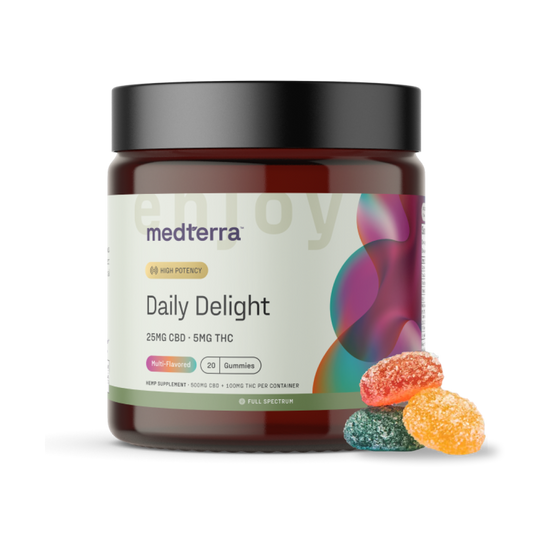
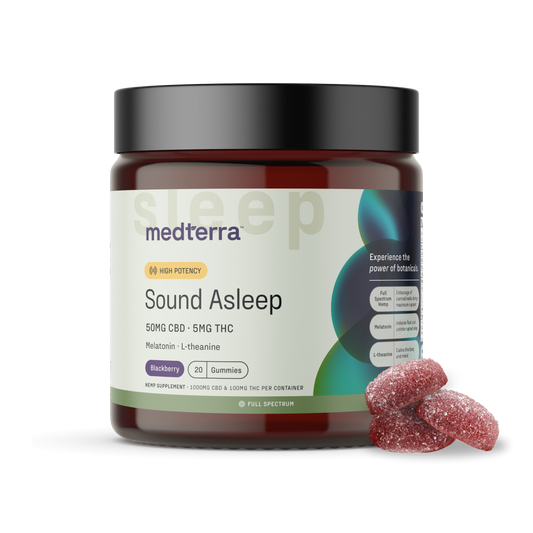
Plenty of people land on both - a CBD isolate or broad spectrum tincture in the morning for focus, and a full spectrum gummy at night for sleep. CBD oil vs gummies isn't an either/or situation when you're using each format for a different job.
What's the difference between THC and CBD oil that should matter most to you? That depends on your body, your goals, and how you want to feel while the oil does its work. The CBD vs THC oil decision is less about picking a permanent lane and more about finding what works for where you are right now.
Medterra stocks a full range of cannabis products online, backed by a 4.4/5 star rating on Trustpilot and a 30-day money-back guarantee on your first order. Shop now and see what CBD or THC oil can do for YOU!
Wrapping Up Our CBD Oil vs THC Oil Comparison
The question of CBD oil vs THC oil doesn’t have one universal answer. It depends on what you need the oil to do and how your body responds. CBD keeps things clear-headed while THC adds a psychoactive layer that some people find genuinely valuable and others have no use for.
Our customer support team can help walk you through the options if you're still working through the decision. We carry isolate, broad spectrum, and full spectrum across multiple formats, and you can buy CBD online through our store whenever you're ready to get started.